2026.08.04
*Announcement* Symposium “Convergence of Cell Design and Regulatory Science: Quality and Safety of Next-Generation Medical Technologies Pioneered by NAMs” Held
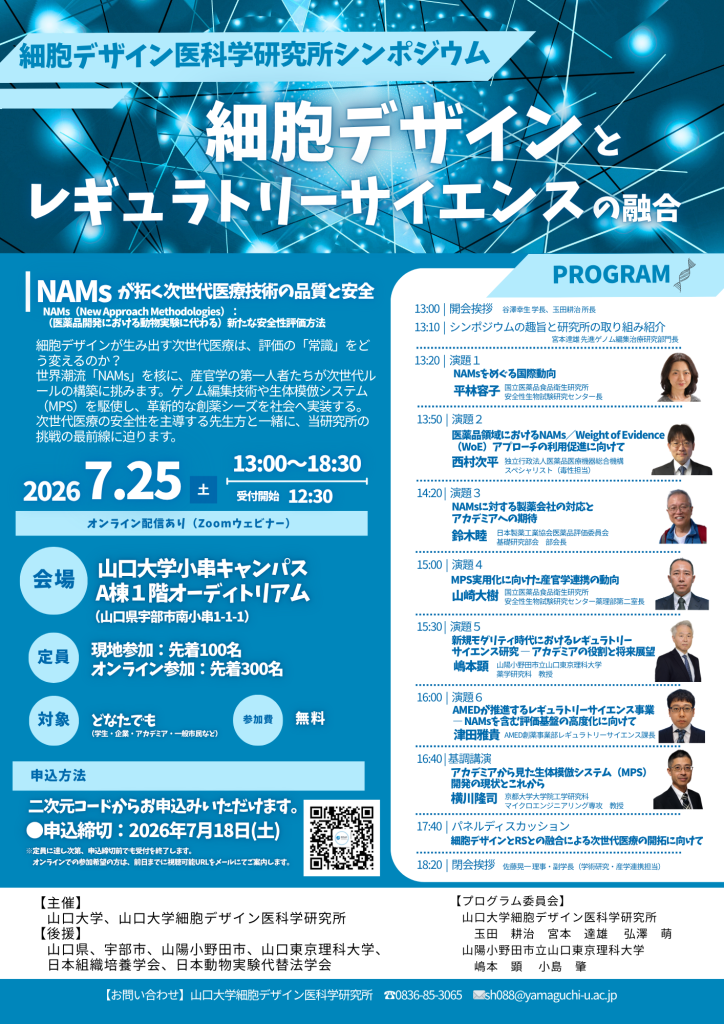
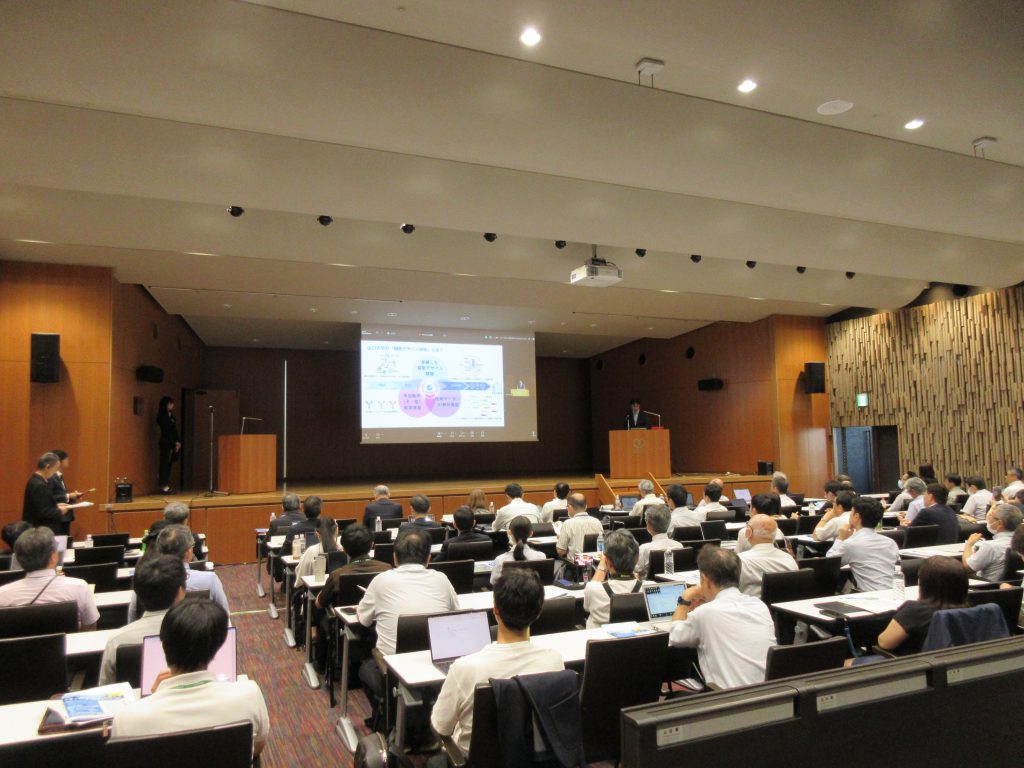
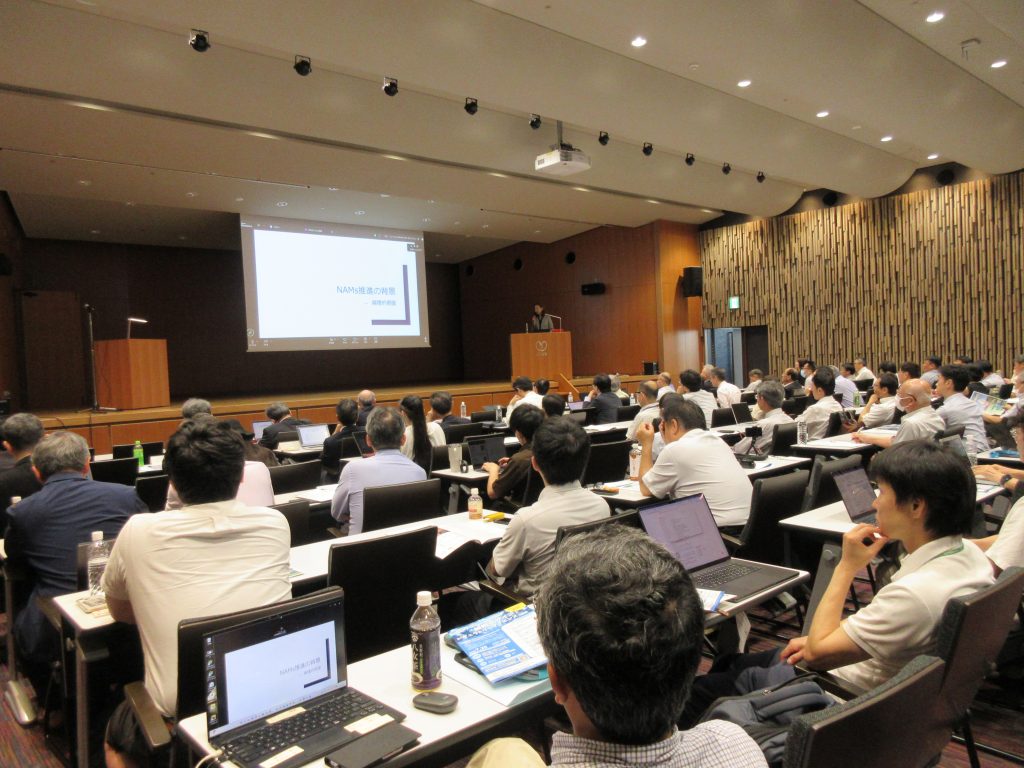
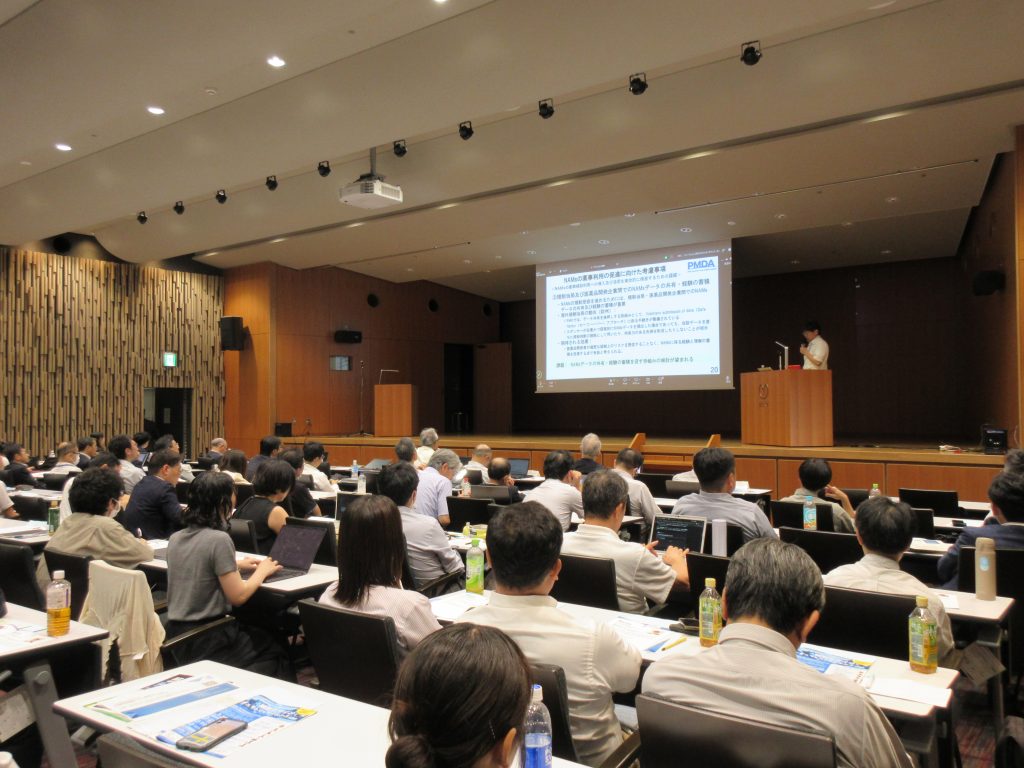
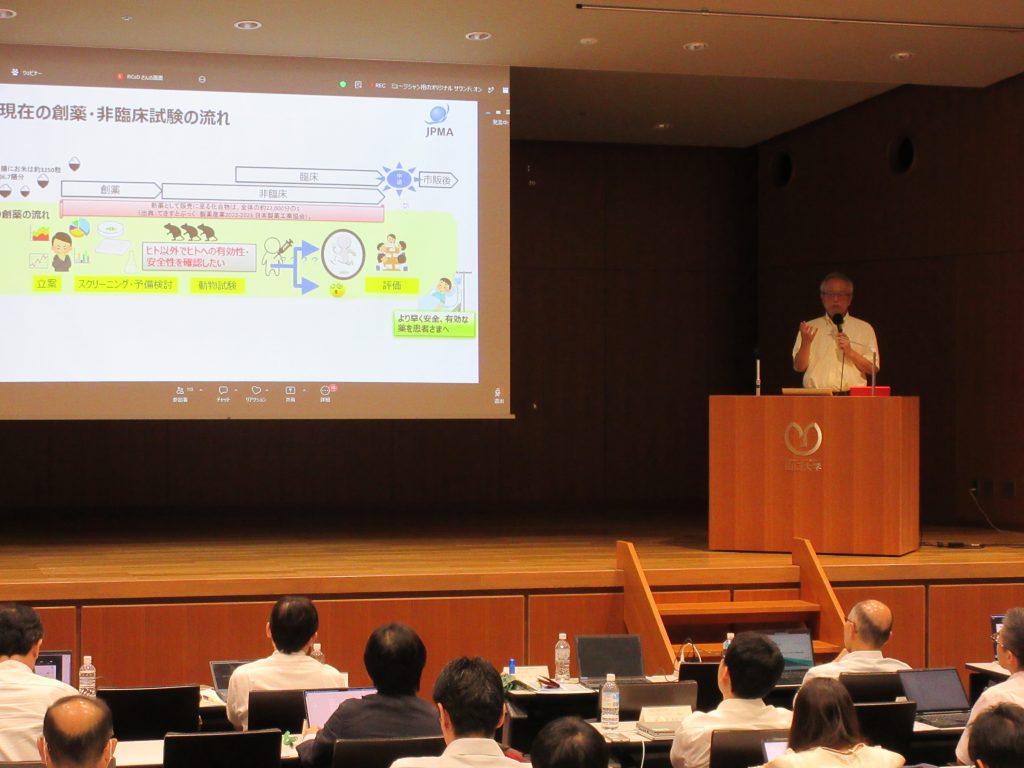
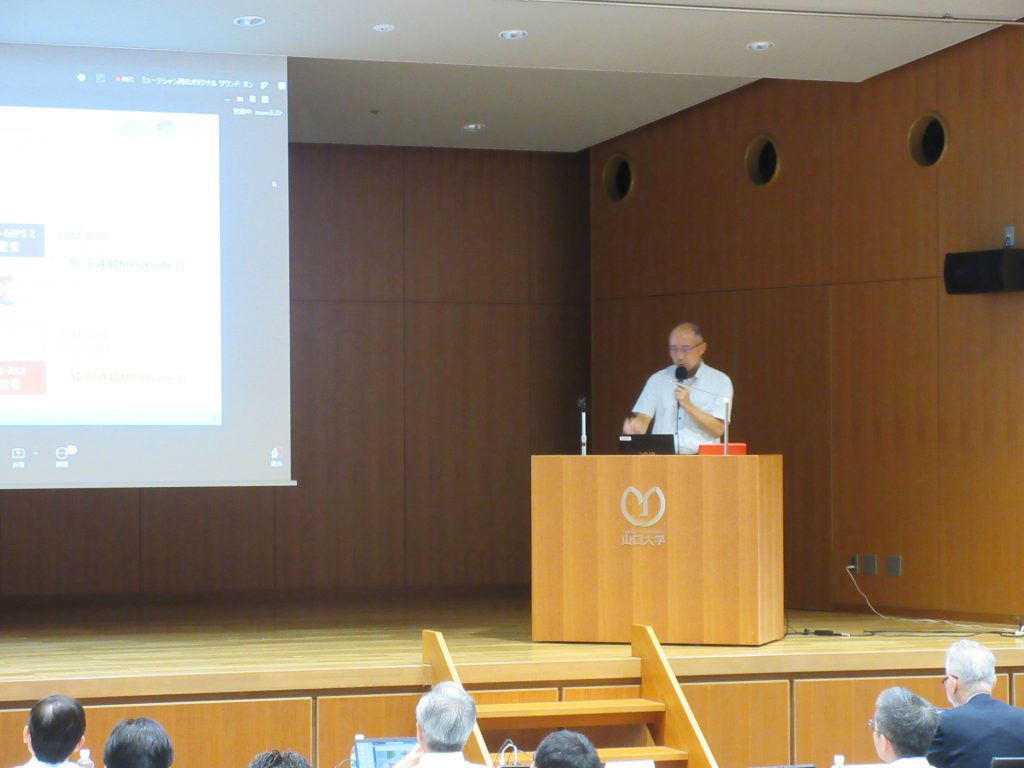
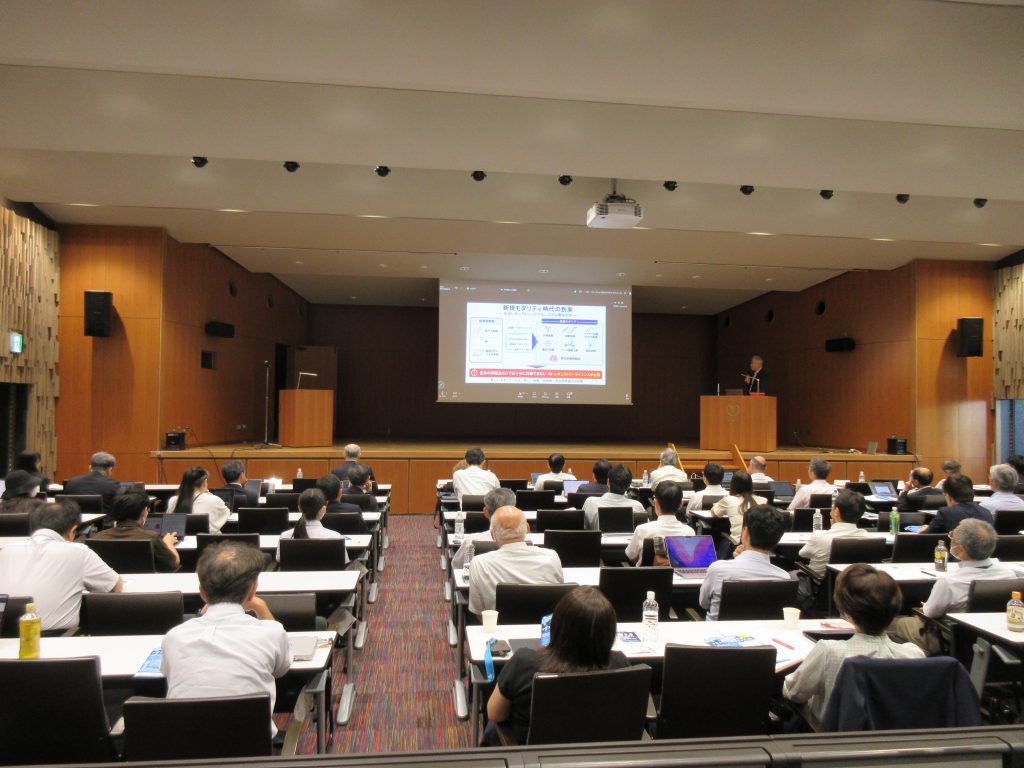
On Saturday, July 25, 2026, we held Yamaguchi University Research Institute for Cell Design Medical Science (RICeD) Symposium at the Auditorium of Yamaguchi University Hospital and Zoom webinar (hybrid format).
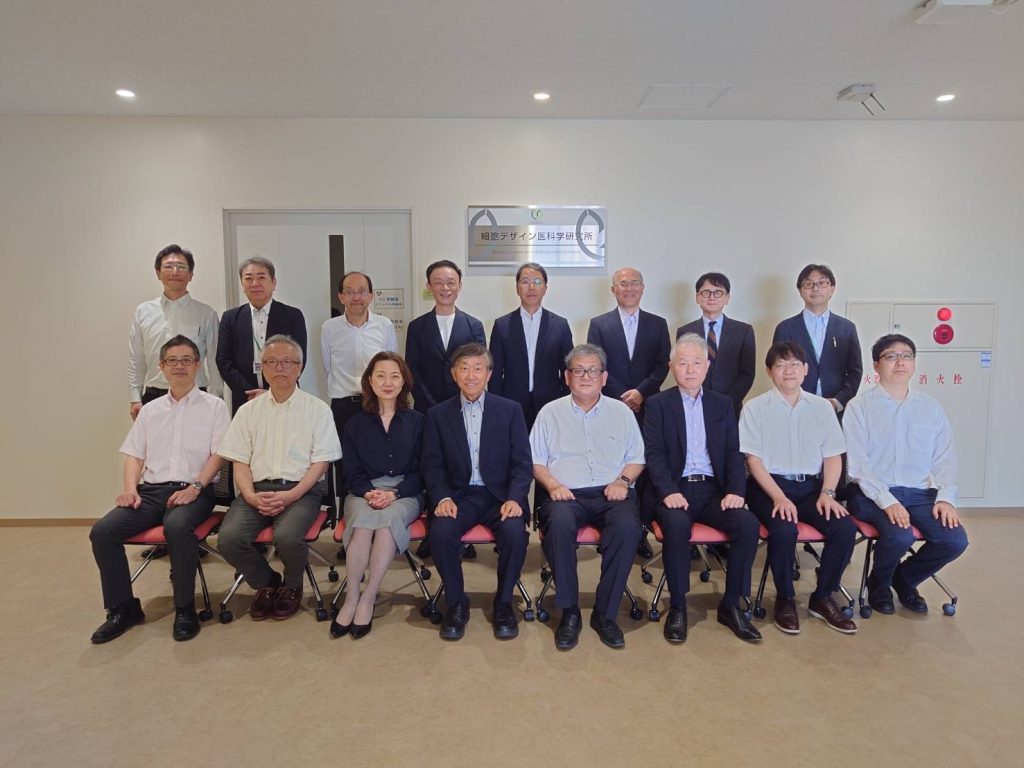
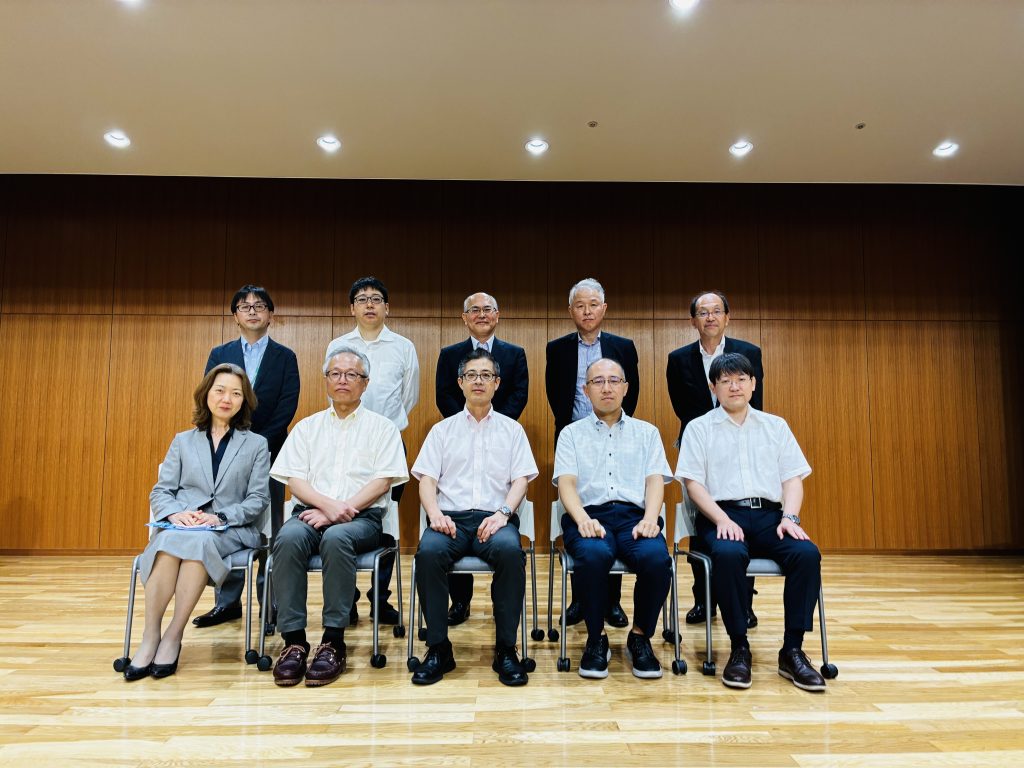
Under the theme “The Convergence of Cell Design and Regulatory Science: Quality and Safety of Next-Generation Medical Technologies Pioneered by NAMs,” this symposium featured multifaceted discussions aimed at accelerating the societal implementation of drug discovery and regenerative medicine technologies. A total of 250 participants—including 93 in-person attendees from within and outside the university, as well as representatives from industry and regulatory authorities, and 157 online participants—joined the event, which concluded as a great success.
■ Event Overview
Date and Time: Saturday, July 25, 2026, 1:00 PM – 6:30 PM
Venue: Auditorium, Building A, Kogushi Campus, Yamaguchi University / Zoom Webinar
Organizers: Yamaguchi University Research Institute for Cell Design Medical Science, Yamaguchi University
Supporters: Yamaguchi Prefecture, Ube City, Sanyo-Onoda City, Yamaguchi Tokyo University of Science (Sanyo-Onoda City), Japanese Society for Tissue Culture, Japanese Society for Alternatives to Animal Testing
Number of Participants: Total 250 (In-person: 93, Online: 157)
■ Event Highlights and Session Overview
At this symposium, presentations were given on international trends regarding New Assessment Methods (NAMs) and Modeled Physiological Systems (MPS)—which are attracting global attention as alternatives to animal testing in drug development—as well as the responses of regulatory authorities and industry, and the latest initiatives from academia and research support organizations.
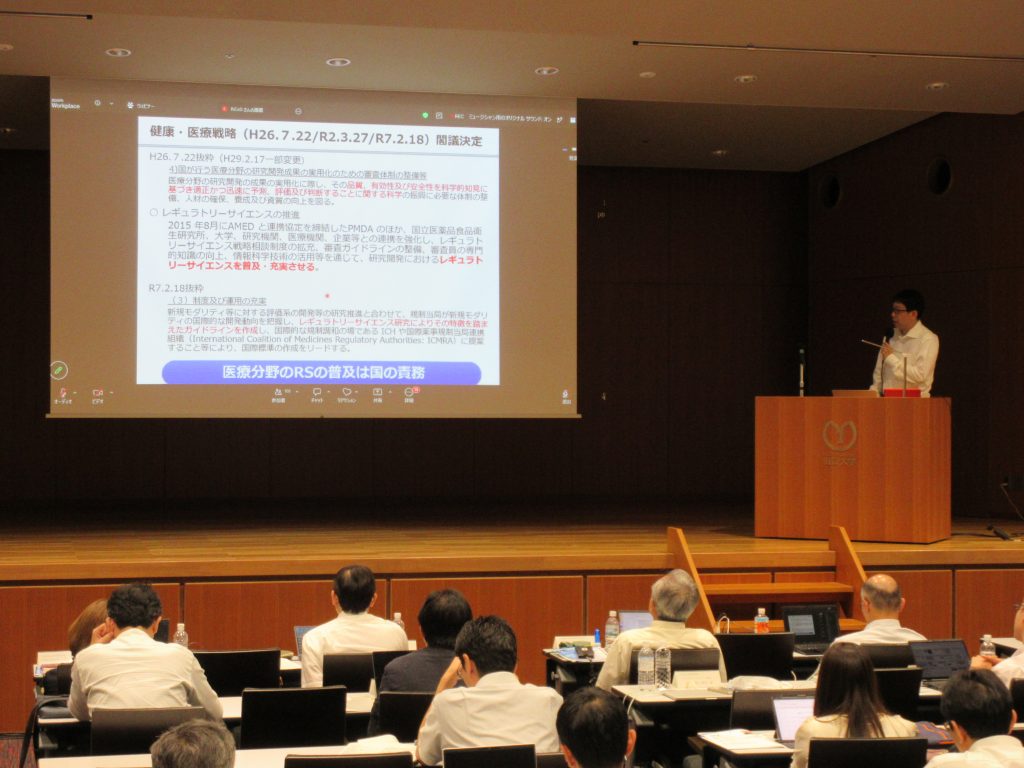
Part 1: International Trends and Industry Perspectives: Dr. Yoko Hirabayashi of the National Institute of Health Sciences (NIHS) presented on international trends in NAMs and the importance of standardization; Dr. Jihei Nishimura of the Pharmaceuticals and Medical Devices Agency (PMDA) discussed the effectiveness of the Weight of Evidence (WoE) approach; and Dr. Mutsumi Suzuki of the Japan Pharmaceutical Manufacturers Association (JPMA) addressed challenges in adoption by pharmaceutical companies and expectations for academia.
Part 2: Industry-Government-Academia Collaboration, Academia, and Policy: Dr. Daiji Yamazaki of the National Institute of Health Sciences (NIHS) discussed evaluation systems such as organ-connected MPS and industry-government-academia collaboration; Dr. Akira Shimamoto of Tokyo University of Science, Yamaguchi Campus, presented proposals for fostering bridge personnel in the era of new modalities; and Dr. Masataka Tsuda of AMED introduced support policies for advancing the evaluation infrastructure.
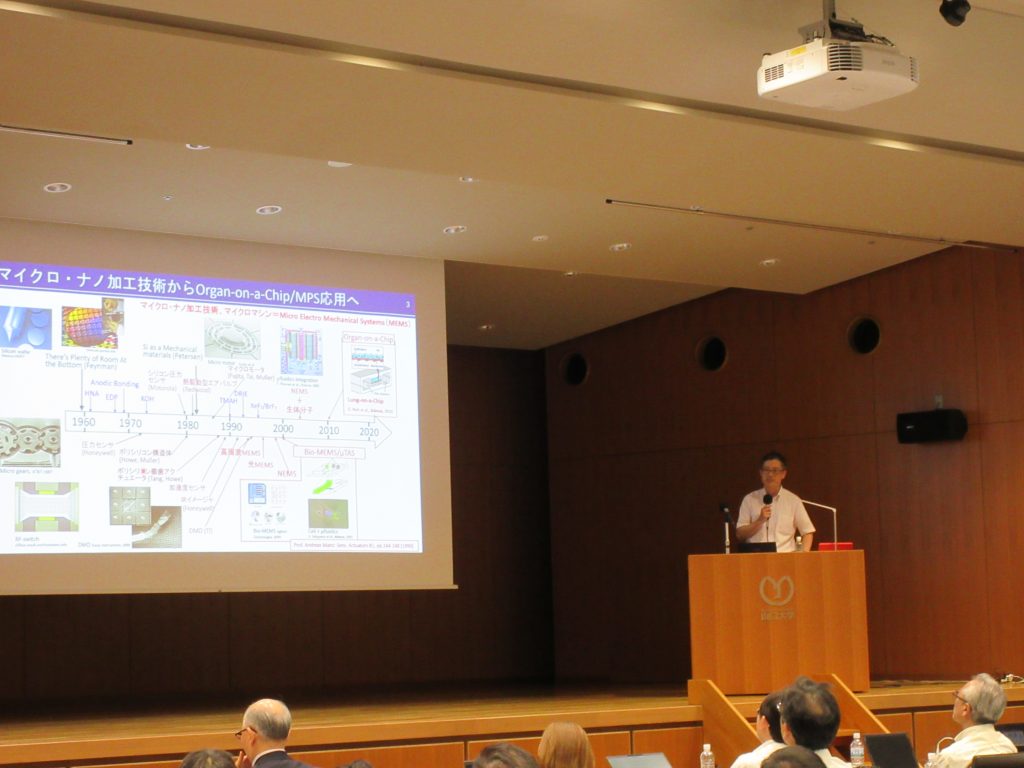
Part 3: Keynote Lecture (MPS) Professor Ryuji Yokokawa of Kyoto University delivered a lecture titled “The Current State and Future of Bio-Mimetic System (MPS) Development from an Academic Perspective,” covering the cutting edge of organ-on-a-chip development as well as engineering challenges and prospects for ensuring mass producibility and robustness.
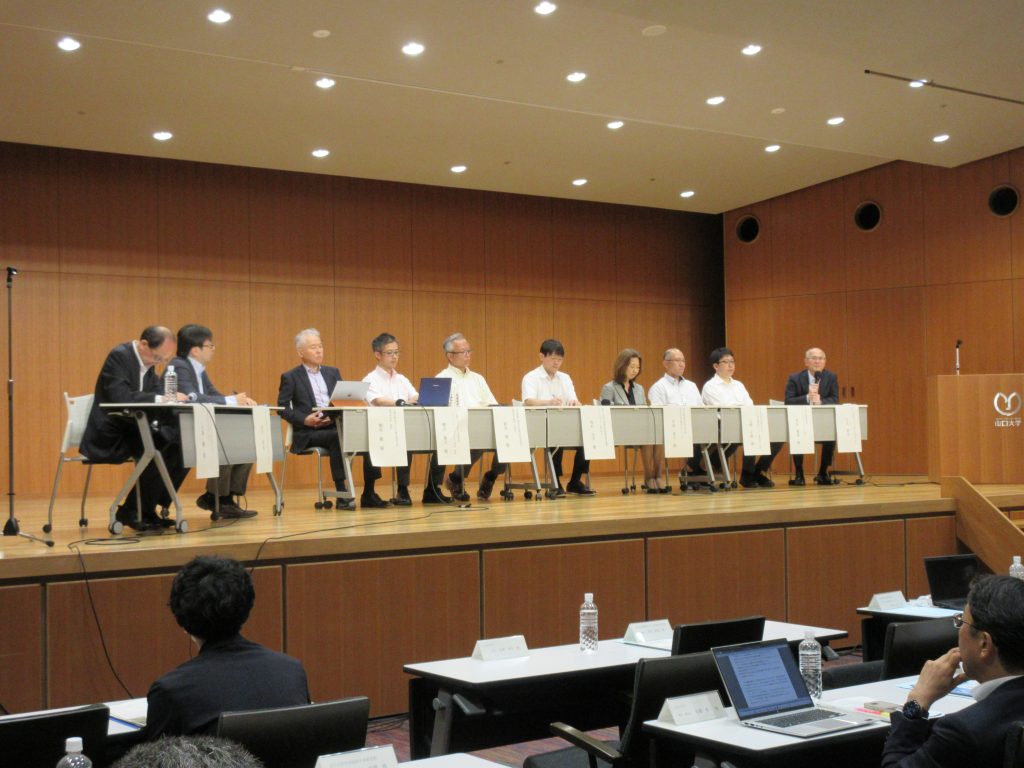
Part 4: Panel Discussion: A comprehensive discussion was held, moderated by Professor Hajime Kojima and Division Director Tatsuo Miyamoto, with all presenters and Director Koji Tamada participating. The importance of collaboration among the three sectors—“Technology Development and Human Resource Development (Academia),” “Evaluation and Standardization (Research Institutions and Regulatory Authorities),” and “Practical Application and Utilization (Industry)”—was reaffirmed, and a lively exchange of opinions took place regarding the establishment of a model to accelerate non-clinical Proof of Concept (PoC) in the Yamaguchi region.
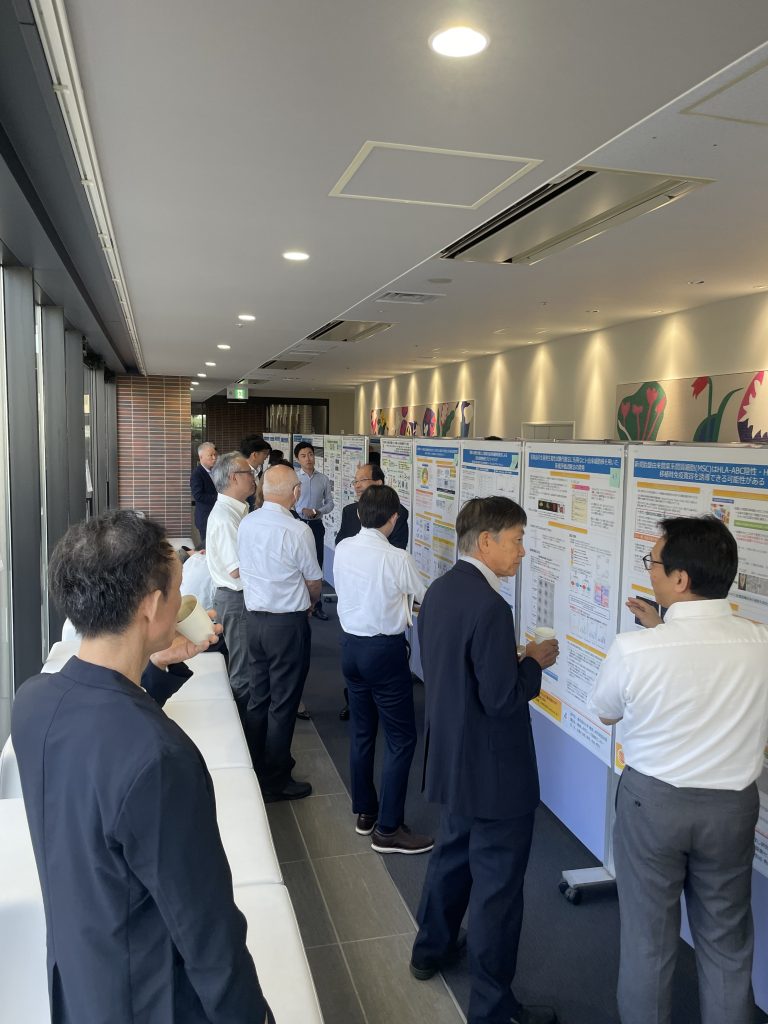
A panel exhibition featuring 44 research projects (38 from RICeD and 6 from Yamaguchi Tokyo University of Science) was held concurrently at the venue, where enthusiastic Q&A sessions took place throughout the day.
■ Conclusion
The RICeD will continue to promote initiatives aimed at the early societal implementation of innovative medical technologies and the establishment of a drug discovery ecosystem rooted in the local community, centered on the integration of cutting-edge cell design technology and regulatory science.
We would like to express our deepest gratitude to all the speakers who presented, the members of the Program Committee who dedicated their efforts to planning and organizing the event (Professors Akira Shimamoto and Hajime Kojima of Yamaguchi Tokyo University of Science, and Professor Koji Tamada and Assistant Professor Moe Hirosawa of the RICeD at Yamaguchi University), as well as to all participants.